
JD
Guest
Not signed in
Guest
Not signed in
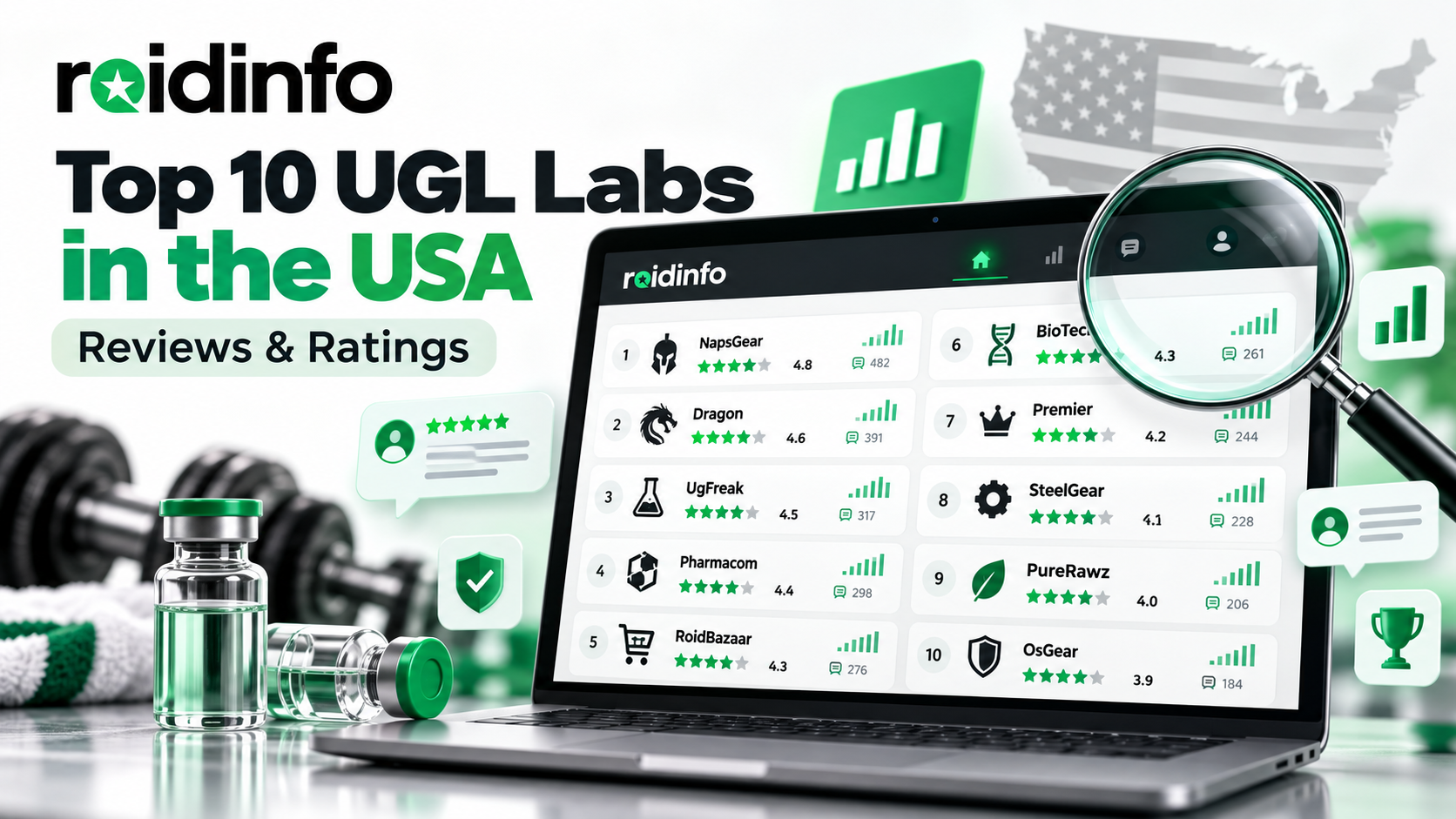
A familiar name can attract attention long before its reviews receive a careful reading. In UGL discussions, product variety, recognizable packaging, and a history of community mentions can all shape that first impression. None of those features tells the whole story.
Readers researching UGL labs in the USA need to distinguish reputation from evidence. A comment about communication says something different from a claim about product consistency. A high rating may reflect a smooth transaction without answering questions about manufacturing or authenticity.
This overview examines NapsGear, Dragon, UgFreak, Pharmacom, RoidBazaar, BioTech, Premier, SteelGear, PureRawz, and OsGear. These are ten UGLrelated names, not a verified ranking of manufacturers. Their inclusion does not establish that every business operates a laboratory or manufactures in the United States.
Underground products carry uncertainty that reviews cannot remove. Customer feedback does not establish pharmaceutical manufacturing standards, accurate dosing, sterility, or medical safety. The sections below focus on the reputation factors associated with each name and the limits of those signals.
NapsGear's place in UGL related discussions is closely tied to name recognition. Its established presence and the breadth of product conversations around it can make the name familiar even to readers who have not examined individual reviews. Variety and visibility are central to that reputation.
The question is whether the feedback supports a consistent experience. A large collection of comments may contain very different accounts, and a familiar name should not cause those differences to disappear into an overall impression.
Read NapsGear reviews for what each writer actually describes, rather than assuming that recognition settles the issue. Review volume can demonstrate attention; it cannot verify authenticity, dosage accuracy, sterility, or the quality of a particular batch. That distinction is what makes reputation useful without turning it into pharmaceutical assurance.
Dragon has a direct, memorable identity that fits easily into underground performance enhancement discussions. The review themes associated with it include packaging, brand recognition, and claims about perceived strength. Those themes explain the image surrounding the name, but they answer different questions.
Packaging is something a reviewer can describe. Authenticity is a separate matter. Familiar branding can be copied or attached to products moving through unrelated channels, so recognizing a label does not establish what is inside it.
Keep Dragon related feedback tied to the specific experience being reported. An endorsement of the name alone leaves the verification question open. Our article on how fake reviews distort trust provides further context for judging persuasive claims without treating them as proof.
UgFreak's identity is closely aligned with the UGL category itself. In a review led comparison, the focus is on the reported experience: how an order was handled, how communication unfolded, and what the wider discussion adds to an individual comment.
These accounts can be informative when they explain the sequence of events. A clear description of a support exchange offers more context than a general statement that everything was excellent. Community feedback becomes more useful when different contributors describe their own experiences rather than repeat the same endorsement.
The limitation is the type of evidence being offered. A customer's satisfaction does not confirm laboratory standards, compound purity, or safe handling. Our guide to evaluating US steroid vendor reviews separates these service and verification questions in more detail.
Pharmacom's reputation in UGL related conversations is shaped by an established image, structured branding, and repeated community references. Compared with a loosely presented label, a coherent identity can make the name appear more professional and easier to recognize.
That presentation still needs to be kept separate from regulatory status. Professionallooking branding does not demonstrate approval, licensed production, or pharmaceutical oversight. The appearance of organization is not evidence of the controls used to make a product.
When reading Pharmacom reviews, distinguish what the writer observed from what they inferred. A positive description of presentation or communication should not silently become a claim about manufacturing quality. The useful comparison lies in the detail behind the reputation, not in how polished the brand appears.
RoidBazaar's name makes its connection to the performance enhancement audience immediately clear. Its place in this comparison centers on broad product access, review discussion, and the reputation readers attach to that combination.
Breadth can attract attention, but it can also make a general rating harder to interpret. A review needs to explain which part of the experience it describes rather than treating a broad offering as one uniform product or service.
For RoidBazaar, the distinction is between an accessible, memorable identity and evidence of consistent standards. Direct branding can make a name easy to recall; it does not reduce the uncertainty surrounding products associated with the underground category.
BioTech creates a different first impression: the name sounds scientific. That wording can suggest technical expertise or a pharmaceutical connection before the reader has examined any supporting information.
The key is not to mistake the suggestion for a credential. A scientific name does not establish licensed manufacturing, independent testing, or medical oversight. Nor does a reviewer's use of words such as “clinical” or “professional” supply the missing evidence.
BioTech reviews therefore need to be read beyond the language of the brand. What does the account actually describe, and what is being assumed from the name? Keeping those two things separate prevents a scientific image from carrying more authority than the available information supports.
Premier has the kind of broad, polished name that can suggest a premium offering. That impression may make it sound established and quality focused, but the most important issue in a review comparison is clarity.
A general name needs enough context to identify the business, product line, or particular item being discussed. Otherwise, readers risk combining comments that refer to different things. Reputation becomes difficult to assess when the subject of the review is uncertain.
For Premier, precise identification matters more than the premium impression. Even a clearly identified account still needs an explanation behind its rating. A higher end image does not resolve the uncertainties associated with underground production and distribution.
SteelGear's identity draws directly on strength focused bodybuilding culture. The name is distinctive and easy to associate with performance goals, which gives its branding a clear place within the subject of this comparison.
The review themes around that positioning concern perceived potency and physical results. These accounts should be treated as personal reports, not measurements. A reviewer saying a product felt powerful has not established its composition, concentration, or safety.
That is the central distinction when reading SteelGear reviews: a strong identity can make the name memorable, while the product questions remain unanswered. Descriptions of results should not receive more weight simply because they fit the image the branding creates.
PureRawz is approached here through its association with research chemicals and performance related discussion. The name itself suggests purity and raw compounds, giving it a technical, laboratory oriented character.
That positioning needs careful interpretation. Research style terminology is not proof of product purity, and a laboratory presentation should not be read as permission or approval for personal use. Technical language can describe how a product is marketed without establishing that it is appropriate for human consumption.
In PureRawz reviews, separate comments about the experience from conclusions about safety. A satisfied reviewer cannot close that gap on someone else's behalf. The distinction between research positioning and medical suitability remains important regardless of how confident the surrounding discussion sounds.
OsGear has a concise identity built around terminology familiar in bodybuilding discussions. Its place in this overview reflects name recognition, category relevance, and the visibility that comes with reviews and ratings.
Those features can make a source appear established, but visibility is not a product quality check. Read OsGear feedback for the explanation behind the opinion: what the writer experienced, which aspect they assessed, and how broadly they applied the conclusion.
Search attention and familiar language do not establish authenticity or resolve questions about legality and health risk. OsGear therefore calls for the same distinction as the other names in this list: recognition explains why people notice it; evidence determines what a particular review can reasonably show.
Bring these distinctions to UGL related reviews on roidinfo. Read the individual experiences behind a rating, compare what different contributors actually describe, and keep service feedback separate from claims about product quality.
You can also examine how roidinfo calculates review scores. Our published explanation describes a weighted score in which individual ratings are influenced by AI assigned review quality scores. That method organizes feedback; it is not a laboratory assessment of the products mentioned.
Our Review Guidelines set out the rules for firsthand submissions, prohibit paid or incentivized reviews, and describe human moderation. Reviewing those standards is part of deciding how much confidence to place in the platform itself.
When researching UGL labs in the USA, a familiar name should be the beginning of the examination, not the end. Across all ten names, the useful distinction remains the same: a reputation tells you what people associate with a brand, while the details show what their experiences actually support.